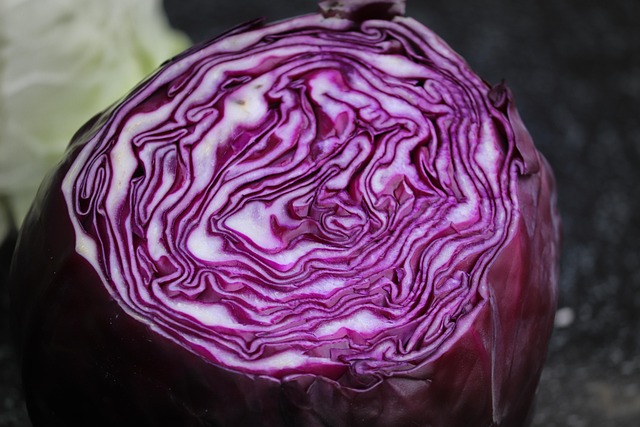

In the quiet corner of a farmer’s market, the head cabbage stands as a humble yet mighty vegetable. Its tightly packed, pale green leaves hide a wealth of nutrients that can support everyday wellness. The head cabbage’s name might evoke images of classic coleslaw, yet its culinary versatility and health‑boosting properties extend far beyond the kitchen table. A modest serving of cooked or raw head cabbage offers a generous dose of fiber, vitamins, and antioxidants that can strengthen the body’s defense mechanisms. For those who seek a natural way to enhance energy, improve digestion, and reduce inflammation, the head cabbage is an accessible and cost‑effective ally. By understanding its composition and how it fits into a balanced lifestyle, you can transform this ordinary vegetable into a cornerstone of daily nutrition.
Nutritional Snapshot of Head Cabbage
One cup of chopped head cabbage provides approximately 22 calories, making it a low‑calorie source of essential nutrients. Its carbohydrate content is dominated by simple fibers, with 2 grams of total fiber and 0.6 grams of soluble fiber, which aid in digestive health. The head cabbage is rich in vitamin C, offering 25 % of the recommended daily intake per cup, and also supplies B vitamins such as folate, which is vital for cell turnover and heart health. Minerals like potassium, manganese, and calcium appear in modest amounts, while the vegetable’s antioxidant profile includes glucosinolates and phenolic compounds that have been studied for their anti‑cancer potential. This combination of macronutrients and micronutrients makes the head cabbage a microcosm of wholesome nourishment.
Health Benefits That Set Head Cabbage Apart
Beyond its basic nutrition, the head cabbage offers specific health advantages rooted in its phytochemical content. Glucosinolates, sulfur‑rich compounds found in high concentrations in this cruciferous vegetable, convert to biologically active molecules such as sulforaphane during chewing or cooking. Sulforaphane has been linked to detoxification enzyme activation and reduced oxidative stress. Fiber content supports a healthy gut microbiome, encouraging the growth of beneficial bacteria that produce short‑chain fatty acids important for immune function. The high vitamin C level boosts collagen synthesis, strengthening skin, cartilage, and connective tissue. For individuals managing cholesterol, the soluble fiber can help lower LDL levels. Collectively, these attributes justify the head cabbage’s reputation as a dietary staple for long‑term wellness.
From Salad to Stew: Culinary Flexibility of Head Cabbage
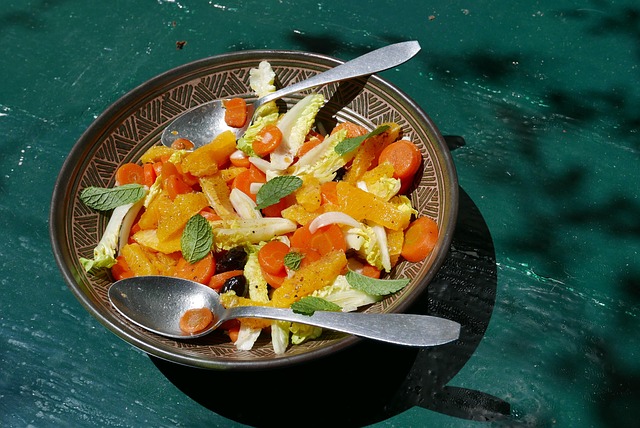
One of the head cabbage’s most appealing features is its adaptability. Raw, it offers a crisp texture that pairs well with tangy dressings or spicy salsas. When lightly sautéed, its natural sweetness deepens, making it a comforting addition to stir‑fries and braised dishes. Baking or roasting head cabbage slices caramelizes their sugars, creating a savory, almost nutty flavor that complements pork, lamb, or vegetarian protein sources. For a quick nutrient boost, steam a head cabbage for just a few minutes; this preserves its vitamin C content while softening its fibers for easier digestion. The vegetable also excels in fermentation; a traditional kimchi or sauerkraut recipe harnesses the head cabbage’s ability to produce probiotic cultures that support gut health. By experimenting with seasonings—garlic, ginger, soy sauce, or citrus zest—you can keep the head cabbage at the center of fresh, exciting meals throughout the week.
Growing Your Own Head Cabbage: A Beginner’s Guide
- Choosing the Right Variety. Many gardeners prefer the round, cold‑tolerant “Savoy” or “Red Head” types for their resilience in temperate climates. The “Wendy” cultivar is known for its large heads and high yield.
- Soil Preparation. Rich, loamy soil with a pH between 6.0 and 6.8 promotes robust growth. Incorporating compost or well‑rotted manure improves drainage and nutrient availability.
- Planting Time. Sow seeds 4–6 weeks before the last frost for a spring crop or 6–8 weeks after the final frost for a fall harvest. Transplant seedlings when they reach 2–3 inches tall.
- Spacing and Care. Provide 12–18 inches between plants to allow room for the head to form. Consistent moisture and regular mulching suppress weeds and maintain even soil temperature.
- Harvesting. Pick the head when the outer leaves are firm and the cabbage has a uniform, tight shape. Cutting at the base with a sharp knife allows for easy handling and storage.
With minimal effort, cultivating head cabbage can supply a fresh, nutrient‑dense crop right to your table, reinforcing a cycle of sustainable eating and mindful living.
Integrating Head Cabbage Into a Balanced Lifestyle
Modern living often prioritizes convenience over nutrition, but small adjustments can yield significant benefits. Incorporating head cabbage into daily meals is straightforward: add a handful to morning smoothies, top a grain bowl with shredded leaves, or swap a portion of pasta for sautéed cabbage ribbons. The vegetable’s high fiber content aids satiety, helping to regulate appetite and support healthy weight management. For active individuals, its vitamin C and manganese content assists in recovery and muscle repair. Mindful preparation—such as lightly steaming to preserve nutrients—aligns with principles of mindful eating, encouraging slower consumption and heightened appreciation of flavor and texture. Finally, pairing head cabbage with protein sources like beans or tofu creates a complete amino acid profile, enhancing the meal’s overall nutritional value. By weaving head cabbage into everyday habits, you reinforce a lifestyle that nurtures body and mind alike.