
In many cultures, fruit is celebrated not only for its natural sweetness but also for the health benefits it confers. When the sun is at its peak, ripe fruit begins to develop a deeper, richer flavor profile. The practice of leaving fruit exposed to sunlight for a short period—often a technique referred to in culinary circles as “sun baking”—has been used for centuries to enhance taste, texture, and even nutritional content. This article explores how this simple, sun‑driven method can fit into a balanced lifestyle, supporting overall well‑being through improved digestion, increased antioxidant intake, and a greater appreciation for the natural rhythm of food.
The Science Behind Sun Baking Fruit
When fruit is placed under direct sunlight, a series of chemical reactions takes place. Heat triggers the conversion of starches into simple sugars, amplifying the fruit’s inherent sweetness. At the same time, the sun’s ultraviolet (UV) rays can induce the production of certain vitamins, particularly vitamin C, and other phytochemicals that act as natural antioxidants. These compounds help neutralize free radicals in the body, potentially lowering the risk of chronic diseases such as cardiovascular disease and certain cancers.
- Enhanced Sweetness: The heat from the sun activates enzymes that break down complex carbohydrates into sugars, making the fruit taste more luscious.
- Improved Digestibility: Slightly softened fruit is easier for the digestive system to process, reducing the likelihood of bloating or discomfort.
- Increased Antioxidant Activity: Sun exposure can elevate levels of beta-carotene, lycopene, and other antioxidant compounds, which support cellular health.
Practical Tips for Sun Baking Fruit at Home
Incorporating this natural technique into everyday life is straightforward. Below is a simple guide to help you safely reap the benefits without compromising the fruit’s nutritional integrity.
“When you let the fruit talk to the sun, you’re not just warming it—you’re enriching it.”
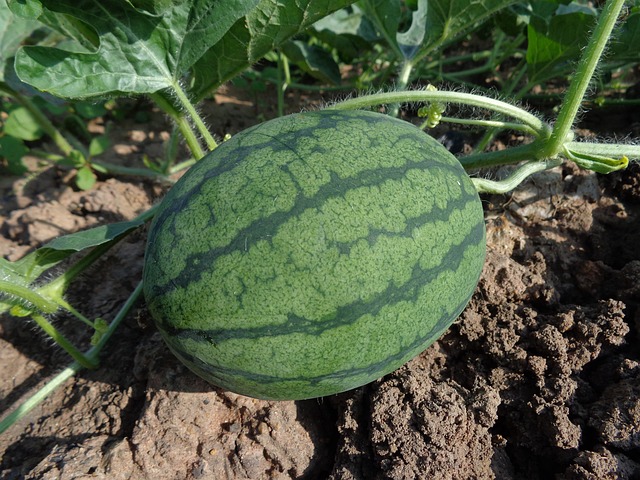
- Choose the Right Fruit: Citrus, stone fruits, and melons respond well to gentle sun exposure. Avoid delicate fruits like berries that may bruise or become moldy.
- Use a Light Cloth or Mesh: Cover the fruit lightly to protect it from insects while still allowing the sun’s rays to reach the surface.
- Timing Is Key: Aim for 20–30 minutes during the morning or late afternoon when UV levels are lower. Overexposure can degrade sensitive nutrients.
- Check for Quality: Inspect the fruit after sun baking; it should have a golden hue and a pleasant aroma, but it should not be overly soft or fermented.
- Storage: Place the sun‑baked fruit in the refrigerator if you’re not consuming it immediately to preserve freshness.
How Sun Baking Supports a Healthy Lifestyle
Beyond the sensory pleasure of a naturally sweet fruit, sun baking offers tangible health advantages that align with modern nutritional science. By integrating this practice into your diet, you can:
- Improve glycemic control due to increased sugar content that triggers a slower, steadier release into the bloodstream.
- Boost antioxidant intake through the natural upregulation of vitamin C and beta-carotene.
- Enhance digestive comfort as softened fruit fibers become gentler on the gut.
- Encourage a mindful eating habit by connecting with the sun’s rhythm and the natural process of food preparation.
Integrating Sun Baked Fruit into Daily Meals
Here are several ways to incorporate sun‑baked fruit into your daily routine without relying on processed sweeteners or artificial flavors.
- Morning Smoothies: Blend a handful of sun‑baked strawberries, peaches, or nectarines with Greek yogurt and a splash of almond milk for a creamy, naturally sweet start to the day.
- Salad Enhancers: Toss diced sun‑baked apples and pears into a green salad with spinach, walnuts, and feta. The subtle sweetness balances the sharpness of the cheese.
- Simple Sides: Serve grilled or roasted vegetables alongside a cup of sliced sun‑baked melon for a refreshing contrast.
- Dessert Alternatives: Finish a meal with a plate of sliced oranges or mangoes that have been lightly sun baked, sweetened by their own sugars.
Environmental and Cultural Considerations
Sun baking fruit is a low‑energy, low‑cost technique that resonates with eco‑conscious lifestyles. It reduces reliance on heat sources, lowers food waste by extending shelf life, and aligns with traditional practices in many societies where fruit is left to rest under the sun before consumption. Recognizing these cultural roots can deepen your appreciation for the simplicity and sustainability of this hack.
Common Misconceptions About Sun Baking
Despite its benefits, several myths circulate about sun baking fruit. Addressing them clarifies the method’s safety and effectiveness.
- Myth: Sun baked fruit is unsafe because of UV rays. In reality, short exposure (20–30 minutes) on flat surfaces does not pose a health risk; the fruit itself is not a vector for harmful radiation.
- Myth: Sun baking destroys nutrients. While prolonged exposure can degrade some vitamins, controlled, brief sun baking actually enhances antioxidant levels.
- Myth: Sun baking is only for dry climates. Even in humid environments, mild sun exposure can improve flavor; just adjust the timing to avoid excessive moisture.
Conclusion: A Simple Sun‑Powered Lifestyle Hack
Adopting the practice of sun baking fruit adds a gentle yet powerful tool to your nutritional toolkit. By allowing fruit to bask briefly in the sun’s warmth, you unlock deeper flavors, increase essential antioxidants, and support easier digestion—all of which contribute to a healthier, more vibrant life. This hack marries ancient wisdom with modern science, providing a straightforward approach to enhancing daily meals without the need for elaborate equipment or expensive ingredients.
Next time you pick a juicy peach or a ripe banana, consider a short, sunlit pause before slicing. You’ll discover that a little time in the sun can transform ordinary fruit into a delectable, health‑boosting experience that nourishes both body and spirit.