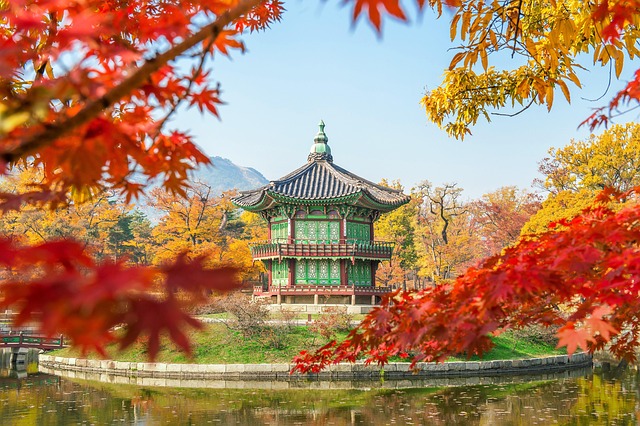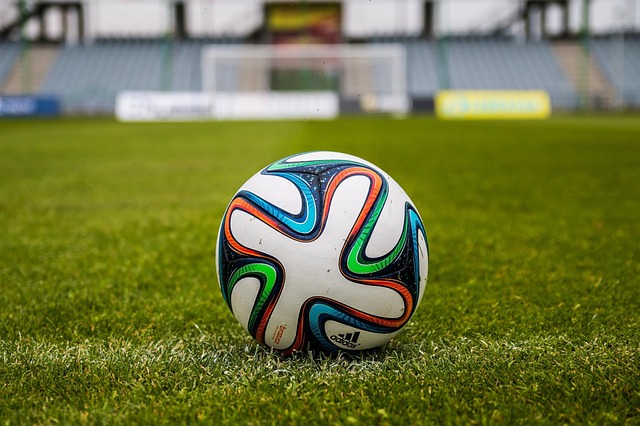
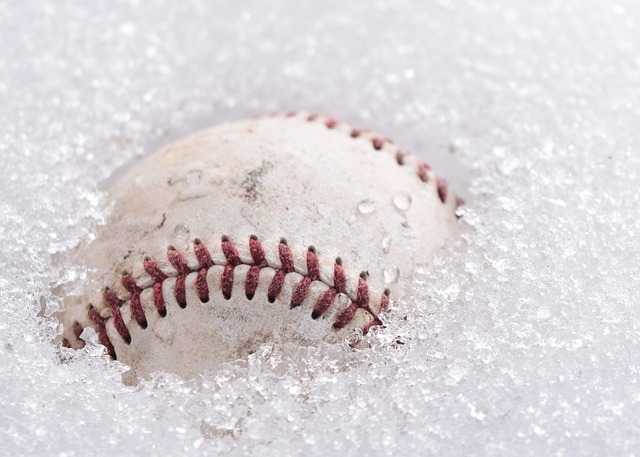

The first chill of autumn slides into the air and suddenly you notice runners swapping out neon shorts for thermal tights, soccer pitches filling with weekend warriors, and ski memes taking over your feed. That subtle seasonal shift is more than a change in temperature—it is a collective, almost visceral, cue to move. Seasonal sports harness that cue, transforming weather patterns into an ever-rotating invitation to exercise, and the ripple effects touch every corner of lifestyle, health, and nutrition.
Living by the Calendar, Moving with the Weather
Think of the year as a training wheel. Spring’s first thaw coaxes even the most reluctant out for park runs and pickup basketball; summer’s endless daylight fuels beach volleyball after work; autumn rewards cyclists with crisp, lung-clearing rides; winter showcases the exhilarating duality of snow—soft enough to cushion a tumble, firm enough to carve a turn. Aligning your lifestyle to when a particular sport feels most natural keeps motivation high. You are not forcing yourself onto the treadmill; you are answering a seasonal call. Psychologists call this “temporal self-continuity”—the idea that your present actions feel connected to a larger, meaningful narrative. Each quarter becomes a chapter in your personal exercise story.
Health Benefits That Rotate Like the Seasons
Variety is more than the spice of life; it is a potent health strategy. Engaging in distinct Seasonal sports reduces repetitive stress injuries by alternating dominant muscle groups. Spring tennis emphasizes lateral agility, summer swimming boosts joint-friendly cardiovascular endurance, autumn trail runs challenge proprioception, and winter cross-country skiing builds low-impact full-body strength. This rotation quietly creates a cross-training effect without the mental burden of scheduling one.
The immune system also responds. Outdoor exposure across varied climates helps recalibrate circadian rhythms and vitamin D levels, while short bursts of cold-weather exertion may increase brown-fat activity, improving metabolic flexibility. Heart-rate variability studies even show that athletes who cycle through seasonal modalities maintain more resilient cardiovascular patterns.
Nutrition: Eating with the Elements
Your pantry can mirror the playbook. Early spring, your body craves iron-rich greens—spinach, asparagus, fiddleheads—to replenish after winter. Pair them with citrus-based dressings for iron absorption ahead of that first half-marathon. In blazing summer, hydration becomes the tactical advantage. Watermelon, cucumber, and electrolyte-boosting coconut water weave naturally into meals as you log humid miles or spike beach volleyballs.
Autumn’s cooler air favors complex carbohydrates and anti-inflammatory spices. Think quinoa bowls with roasted squash, turmeric, and pumpkin seeds to fuel long bike rides through foliage-lined routes. Winter elevates omega-3-dense salmon, vitamin-D fortified dairy, and slow-release carbs—perfect for ski-hill endurance or snowshoe adventures. By syncing macro- and micronutrient intake with sporting demands, you sidestep generic diet templates and craft a nutrition rhythm as dynamic as the calendar itself.
Training Tips to Stay Season-Ready
- Pre-Season Prep: Two months before your primary seasonal sport, introduce mobility work that mimics its movement patterns. Resistance band lateral walks for skiing, forearm planks for paddleboarding.
- Transition Weeks: Use deload periods of reduced volume but increased focus on corrective exercise to recondition neglected stabilizers.
- Gear Audit: Seasonal changes justify a gear ritual. Sharpen skates, upgrade trail shoe tread, swap worn swim goggle straps. Proper equipment not only prevents injury but psychologically signals a fresh start.
- Micro-Adventure Mindset: When travel or time constraints hit, find the micro version: ten-minute stair sprints replicate ski climb intervals; lunchtime park circuits emulate spring soccer drills.
Community & The Emotional Pulse
Humans are intrinsically seasonal creatures, and Seasonal sports tap into communal nostalgia: summer paddleball laughter echoing across the lake, the collective hush at a snowy trailhead before dawn, autumn leaves crunching under synchronized strides. Participating ties you to local communities, farmers’ markets, and even regional identity—think New England leaf-peeping marathons or Pacific Northwest cyclocross scenes. Emotional engagement amplifies adherence; joy becomes performance fuel.
In this way, “exercise” stops feeling like an item on a checklist. Instead, lifestyle, health, and nutrition braid together into an annual rhythm powered by curiosity and climate. Each season arrives with its own soundtrack, flavor profile, and athletic challenge—an evolving invitation to maximize performance through movement that feels instinctively timed. When you answer that call, your body benefits, your table transforms, and your daily routine inherits an ever-renewing sense of possibility.