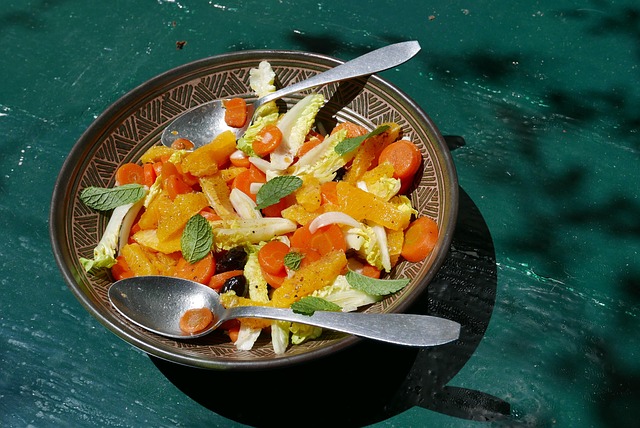

When we think of a satisfying evening meal, many of us imagine hearty stews, creamy pasta, or a sizzling steak. Yet the concept of a light dinner—one that nourishes without weighing us down—has become increasingly popular among health‑conscious diners. A light dinner is not about deprivation; it’s about balance, nutrient density, and mindful eating. By centering meals around fresh vegetables, we can create vibrant plates that support digestion, reduce post‑meal fatigue, and keep our energy levels steady through the night. In this article, we’ll explore ten fresh vegetable ideas that can transform your evenings into wholesome, easy-to‑prepare feasts.
The Science Behind Light, Vegetable‑Rich Dinners
Modern research highlights the benefits of eating a diet rich in plant‑based foods. Vegetables are high in dietary fiber, vitamins, minerals, and antioxidants while being low in calories. When combined with lean proteins and whole grains, they provide a complete amino acid profile and sustain satiety. Light dinners that emphasize vegetables help stabilize blood sugar, improve gut motility, and reduce inflammation. Moreover, the moderate protein content of such meals can aid in muscle maintenance without overloading the kidneys or liver during the overnight fasting period. Embracing a light, vegetable‑centric dinner is a simple yet powerful strategy to promote overall health and well‑being.
10 Fresh Vegetable Ideas for Light Dinners
-
Stuffed Bell Pepper Medley
Halve red, yellow, or orange bell peppers and fill them with a mixture of quinoa, diced zucchini, black beans, and a sprinkle of fresh cilantro. Top with a dash of lime juice and bake until tender. This dish offers a satisfying crunch and a burst of color, all while remaining low in calories.
-
Cauliflower and Spinach Curry
Sauté onions, garlic, and ginger in a teaspoon of coconut oil. Add cauliflower florets, fresh spinach, and a touch of turmeric and cumin. Finish with a splash of coconut milk and serve over a small portion of basmati rice for a comforting yet light option.
-
Roasted Beet and Arugula Salad
Cube beets and roast until caramelized. Toss with arugula, crumbled goat cheese, and a light vinaigrette made from lemon juice and a touch of honey. The earthy beet pairs beautifully with peppery arugula for a refreshing plate.
-
Zucchini Noodles with Pesto
Use a spiralizer to create zucchini noodles. Toss with homemade basil pesto (basil, pine nuts, garlic, olive oil, and parmesan). Add cherry tomatoes and a few pine nuts for extra texture. This satisfies noodle cravings without the carb load.
-
Grilled Portobello Mushroom Stack
Marinate large Portobello caps in balsamic vinegar, olive oil, and oregano. Grill until tender, then layer with sautéed spinach, sliced tomatoes, and a sprinkle of feta cheese. This hearty yet light dish is a favorite among vegetarians.
-
Stir‑Fried Bok Choy and Tofu
Quickly stir‑fry bok choy, sliced bell peppers, and cubes of tofu in a splash of soy sauce and sesame oil. Serve over a few spoonfuls of cauliflower rice for a satisfying, low‑calorie dinner.
-
Eggplant and Tomato Ratatouille
Dice eggplant, zucchini, onions, and tomatoes. Sauté with garlic, thyme, and a splash of olive oil until the vegetables soften. The slow cooking melds the flavors into a delicious, hearty stew that’s still light on the stomach.
-
Cucumber and Avocado Sushi Rolls
Lay a sheet of nori on a bamboo mat, spread a thin layer of sushi rice, and arrange thin slices of cucumber, avocado, and carrot. Roll tightly, slice, and serve with a light soy sauce. A fun, low‑fat alternative to traditional sushi.
-
Greek‑Style Stuffed Eggplant
Halve eggplants, scoop out the flesh, and sauté with diced onions, bell peppers, and a can of chickpeas. Return the mixture to the eggplant shells, top with a drizzle of olive oil and a sprinkle of oregano, then bake until golden.
-
Broccoli and Lemon‑Garlic Shrimp
In a pan, cook shrimp with minced garlic and a squeeze of lemon. Add broccoli florets and stir until tender. Finish with a pinch of red pepper flakes for a subtle kick. This quick dish delivers protein, crunch, and citrus freshness.
Practical Tips for Quick, Light Vegetable Dinners
Cooking light dinners that are also quick can feel daunting, but with a few strategies you can streamline the process:
- Prep Ahead: Wash, chop, and store vegetables in airtight containers. Having them ready allows you to throw together a dish in minutes.
- Use a One‑Pot Method: Many light meals can be made entirely in a single pot or skillet, which reduces clean‑up time.
- Leverage Microwave Power: Steam vegetables in the microwave for 3–5 minutes—perfect for busy evenings.
- Season Smartly: Fresh herbs and citrus brighten flavor without adding extra calories or sodium.
- Mindful Portioning: Aim for a vegetable‑to‑protein ratio of 3:1 to keep the meal filling yet light.
Pairing Vegetables with Lean Proteins
For those who wish to add protein to their light dinners, choose sources that complement the vegetable component without adding excessive calories:
- Grilled or poached chicken breast sliced thinly over a salad.
- Steamed or pan‑cooked white fish, such as cod or tilapia, served alongside steamed asparagus.
- Legume‑based proteins like lentils or chickpeas in a Mediterranean‑style stew.
- Eggs, either poached or lightly scrambled, paired with sautéed spinach and tomatoes.
- Tofu or tempeh marinated and baked, served over a bed of mixed greens.
These pairings create a well‑balanced plate that satisfies protein needs while keeping the overall caloric load manageable.
Seasonal Spotlight: Fresh Summer Vegetables
“Summer is the season of abundance, and the best way to celebrate is by embracing the garden’s bounty.” – Culinary Enthusiast
During the warmer months, the variety of vegetables at our fingertips expands dramatically. Emphasizing seasonal produce not only enhances flavor but also ensures you receive nutrients at their peak:
- Bright bell peppers and zucchini for grilling or stir‑frying.
- Sweet corn, either on the cob or added to salads.
- Fresh cucumbers and tomatoes for crisp, refreshing dishes.
- Leafy greens like arugula, romaine, and kale for salads and sautéed side dishes.
- Herbs such as basil, mint, and cilantro to finish off any meal.
Balancing Your Plate: The 80/20 Rule
One of the simplest guidelines for creating a light, balanced dinner is the 80/20 rule: fill 80% of your plate with vegetables and only 20% with carbohydrates or proteins. This approach ensures you consume plenty of fiber and micronutrients while keeping the caloric density low. When you combine this rule with the tips above—quick prep, smart seasoning, and mindful pairing—you’ll find that preparing healthy, light dinners becomes almost effortless.
Concluding Thoughts: Light Dinners as a Lifestyle Choice
Adopting light dinners is more than a fleeting trend; it’s a lifestyle shift that encourages intentional eating, respect for the body’s needs, and a deeper appreciation for plant‑based foods. By experimenting with the ten vegetable ideas presented here, you can discover new flavors, keep your meals exciting, and support your long‑term health goals. Remember that consistency is key: even a single light dinner each night can create a ripple effect in your overall well‑being. So, grab your favorite vegetables, explore these recipes, and enjoy a nourishing, light dinner that leaves you feeling energized, satisfied, and ready for tomorrow.