

When you hear the phrase “fruit day,” most people picture a colorful spread of apples, oranges, berries, and tropical delights arranged on a picnic table or a farmer’s market stall. But a fruit day can be far more than a visual feast. It is an invitation to pause, to savor, and to nourish every part of your body with the natural power of fruit. In this article we explore how a focused fruit day can become a cornerstone of a healthy lifestyle, why fruit deserves a regular spot in your diet, and practical ways to integrate it into daily routines.
Why Fruit Matters in Modern Living
Modern diets often rely on processed foods that are high in sugar, sodium, and unhealthy fats while lacking essential vitamins, minerals, and fiber. Fruits, on the other hand, are dense in nutrients and naturally low in calories. They provide an array of phytochemicals that support cellular health, boost immunity, and help protect against chronic diseases such as heart disease, type 2 diabetes, and certain cancers. Eating fruit regularly also promotes healthy digestion and weight management through its high fiber content.
- Rich in antioxidants that neutralize free radicals.
- Supply natural sugars that satisfy cravings without the spike and crash of refined carbs.
- Offer a burst of hydration, as many fruits have water content exceeding 80%.
The Concept of a Fruit Day
A fruit day is a deliberate day in which fruit takes center stage in meals and snacks. The idea is simple: replace typical breakfast cereal or lunch sandwich with fruit-based options, and choose fruit as the primary component of your dinner. It serves as a reset, a chance to recalibrate your taste buds and body toward a more plant‑heavy eating pattern. Many nutritionists suggest dedicating at least one day per week to this practice, gradually increasing frequency as you feel comfortable.
What You Might Consume on a Fruit Day
Here are common fruit choices that cover the full spectrum of flavors and textures you can expect:
- Fresh berries: strawberries, blueberries, raspberries, blackberries.
- Citrus fruits: oranges, grapefruits, lemons, limes.
- Tropical fruits: mango, pineapple, papaya, kiwi.
- Stone fruits: peaches, plums, nectarines.
- Apples, pears, and grapes for crunch or juiciness.
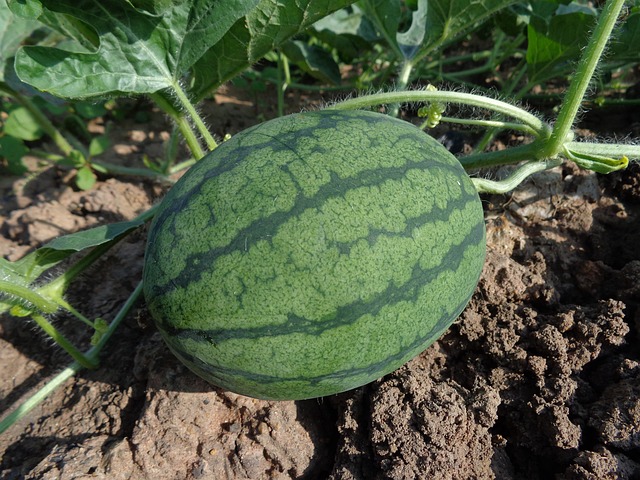
- Melons: watermelon, cantaloupe, honeydew.
Planning Your Fruit Day Menu
Structure matters. A well‑planned fruit day balances macronutrients so you stay satisfied and energized. Pair fruit with a protein source or a healthy fat to create a balanced meal. For example, a breakfast bowl of Greek yogurt topped with sliced peaches and a sprinkle of chia seeds combines protein, fat, and fiber. Mid‑morning, enjoy a smoothie made with banana, spinach, and almond milk to keep your blood sugar steady.
Sample Fruit Day Breakfast
A bright, nutrient‑dense start to the day sets the tone for the rest of the schedule:
- Green smoothie: spinach, frozen mango, half a banana, a tablespoon of flaxseed, and unsweetened oat milk.
- Top with a handful of blueberries for extra antioxidants.
- Add a scoop of protein powder if you need an extra boost.
Fruit Day Lunch Ideas
For lunch, create a vibrant salad that uses fruit as the star:
- Mixed greens, sliced strawberries, goat cheese, and toasted almonds.
- Dress with a vinaigrette made from extra‑virgin olive oil and lemon juice.
- Add grilled chicken or tofu for protein.
Fruit Day Dinner
Dinner doesn’t have to be heavy on carbs. Think of fruit as a side that complements lean protein:
- Grilled salmon with a mango salsa.
- A small portion of quinoa or wild rice.
- Steamed vegetables with a drizzle of olive oil and a squeeze of lime.
Health Benefits You Can Notice Quickly
When you consistently incorporate a fruit day into your routine, many people report noticeable changes in energy levels, digestion, and even mood. The fiber in fruit slows down the absorption of sugar, preventing the common “sugar crash.” The water content keeps you hydrated, while the natural sugars satisfy sweet cravings in a healthy way. Over time, the antioxidants in fruit support cellular repair and can lower the risk of oxidative stress.
Digestive Comfort
Dietary fiber increases stool bulk and reduces constipation. The prebiotic fibers found in apples, bananas, and pears feed the beneficial bacteria in the gut, fostering a balanced microbiome. A regular fruit day can help you maintain a healthy digestive rhythm.
Blood Sugar Regulation
Although fruit contains natural sugars, its high fiber content and low glycemic index keep blood glucose levels steady. Pairing fruit with protein or healthy fats creates a balanced meal that mitigates sudden spikes and drops in energy.
Weight Management
Fruit is naturally low in calories but high in satiety. The combination of water and fiber helps you feel full with fewer calories, which can assist in weight loss or maintenance when part of an overall balanced diet.
Common Myths About Fruit Days Debunked
Some people fear that a fruit‑heavy day will lead to excess sugar intake or that fruit is too light to sustain activity. The truth is that when fruit is paired with protein, fat, and complex carbohydrates, it provides a balanced, energy‑sustaining meal. Furthermore, the type of sugar in fruit is naturally regulated by fiber and protein, reducing the risk of negative blood sugar swings.
Practical Tips for Sustaining a Fruit‑Centric Lifestyle
Adopting a fruit day is just the start. To make fruit a staple in your diet, try these approaches:
- Keep an open stock of fresh fruit at home for quick snacks.
- Use frozen fruit for smoothies or desserts to avoid waste.
- Experiment with new fruit varieties each season.
- Incorporate fruit into sauces, dressings, or marinades.
- Balance each meal with a protein source to avoid feeling light or hungry.
Mindful Eating Practice
When you enjoy fruit, take the time to notice its colors, textures, and aromas. Eating slowly allows your brain to register fullness and reduces the tendency to overeat. This mindful approach can extend to all aspects of your diet, encouraging healthier choices overall.
Conclusion: A Fruit Day as a Lifestyle Shift
Incorporating a fruit day into your weekly routine is more than a culinary experiment—it is an intentional shift toward a lifestyle that values natural, nutrient‑rich foods. By planning balanced meals, debunking common myths, and adopting practical habits, you can turn a single day of fruit into a lasting positive change for your health and nutrition. So next time you plan your week, consider setting aside a fruit day and feel the difference it can make in how you eat, feel, and thrive.