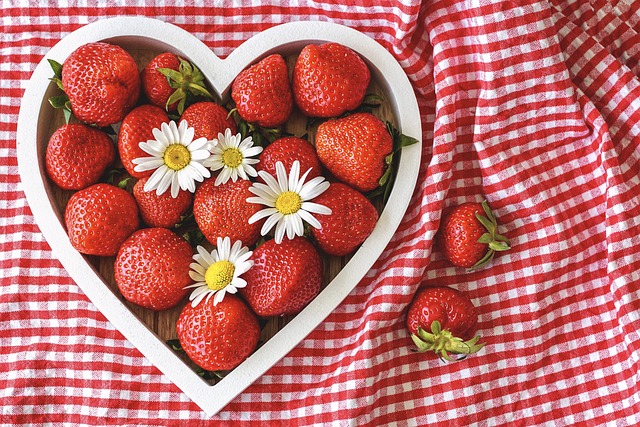
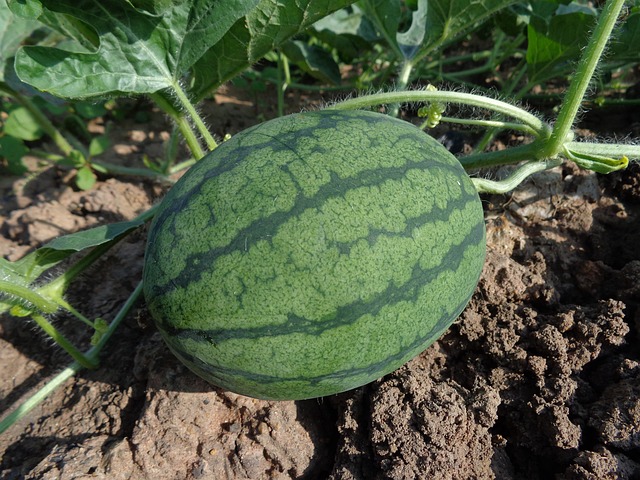

There’s something deeply satisfying about stepping into your own backyard and plucking a sun-warmed apple or a handful of ripe, juicy strawberries you’ve nurtured from seed. An organic fruit garden isn’t just a hobby—it’s a lifestyle choice that blends mindfulness, sustainability, and a commitment to health and nutrition. In today’s fast-paced, over-processed world, finding serenity in such simple acts offers a path back to nature and, indeed, to ourselves.
Embracing the organic lifestyle means making deliberate choices about what you put into your body and how you connect with the planet. Cultivating an organic fruit garden aligns beautifully with this vision. From selecting heirloom seeds free of synthetic chemicals to nurturing the soil with compost and natural fertilizers, every step is an act of care. It’s about more than just gardening—it’s participating in a cycle of life that feeds both your body and soul.
When it comes to nutrition, the benefits of fresh, organically grown fruit are undeniable. Picked straight from the garden, fruits have more intact antioxidants, vibrant color, and an explosion of flavor that store-bought varieties often lack. Vitamins like C and K, along with essential minerals, are more plentiful in garden-grown produce, and knowing your fruit hasn’t been treated with synthetic pesticides offers real peace of mind. Add them to smoothies, salads, or enjoy raw and reap the nutrient-rich rewards of your own garden’s bounty.
From a health perspective, tending an organic fruit garden gets you moving, strengthens muscles, relieves stress, and improves mental clarity. Gardening is a form of physical exercise wrapped in joy. The repetitive movements, the fresh air, and the satisfaction of seeing your effort transformed into edible beauty make it an addictive and healthy routine. It’s an excellent way to foster daily purposeful movement while reducing your carbon footprint.
Then there’s the emotional enrichment. An organic fruit garden often becomes a place of gathering and learning, a shared space for families to connect with nature and with each other. Children who grow their own fruits are more likely to eat healthily and develop a genuine appreciation for the source of their food. The connection deepens our awareness and also teaches patience and stewardship—values we need more than ever in our consumption-driven world.
Whether you’re growing blueberries in containers on a balcony or managing a sprawling backyard orchard, your commitment to organic practices is a statement—about your values, health goals, and respect for the environment. This lifestyle is not about perfection, but progress—a journey that rewards patience with juicy dividends and the priceless gift of knowing exactly where your food comes from.