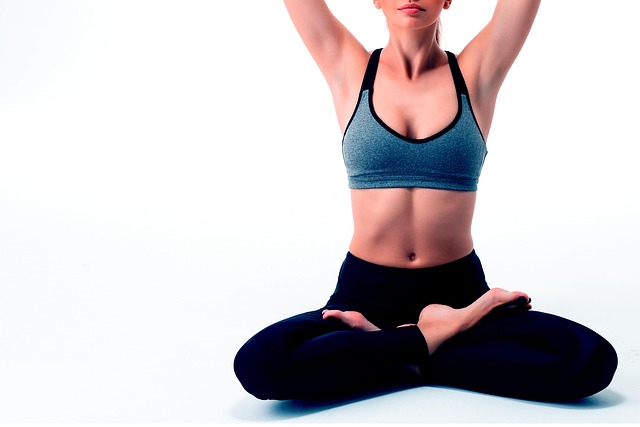


When we think of exercise, most people picture a strict routine, a treadmill, or a gym membership. Creative training flips that script. It encourages movement that feels like play, art, or a hobby rather than a chore. By weaving imaginative exercises into everyday life, you can revitalize your physical health, sharpen your mental focus, and create a sustainable fitness habit that lasts a lifetime.
The Science Behind Creative Training
Creative training is not a fringe concept—it has roots in neuroscience, psychology, and movement science. The brain responds positively to novelty, unpredictability, and variety. When you engage in new movements or combine familiar exercises with playful elements, your motor cortex and reward system light up. This leads to increased dopamine release, which fuels motivation and makes you more likely to keep moving.
- Neuroplasticity: Novelty pushes the brain to form new connections, making skills easier to learn and retain.
- Stress reduction: Engaging in playful movement lowers cortisol levels, improving mood and resilience.
- Cardiovascular benefits: Even low‑impact, rhythmic activities—like dance or tai chi—boost heart health when performed consistently.
How Creative Training Enhances Lifestyle
Beyond the obvious health perks, creative training reshapes the way you interact with the world. It turns mundane tasks into opportunities for movement and reflection.
“When the mind is relaxed, the body follows.” – Anonymous
Consider this: walking to the mailbox while humming your favorite tune, or turning grocery shopping into a mini obstacle course. These tiny shifts infuse everyday routines with energy, turning a static lifestyle into a dynamic, intentional one.
Integrating Creative Training into Daily Habits
Incorporating creative movement doesn’t require a gym membership or a strict schedule. Instead, it’s about spotting moments where play and purpose intersect.
- Morning Rhythm: Begin each day with a 5‑minute dance break. Move to music that lifts your spirit, or try a series of stretches that feel like stretching your own imagination.
- Mindful Walking: Turn a commute or a neighborhood stroll into a mindful practice. Notice the texture of the pavement, the scent of leaves, or the rhythm of your breath. Add gentle foot taps or playful gestures as you pass familiar landmarks.
- Kitchen Kinetics: While cooking, incorporate light squats or lunges between chopping and stirring. Turn stirring a pot into a rhythmic dance that reinforces core stability.
- Desk Dynamics: If you sit at a desk, schedule micro‑workouts: a set of seated leg lifts, shoulder rolls, or desk push‑ups. Treat each stretch like a pause in a song—short, expressive, and refreshing.
- Evening Wind‑Down: End the day with a gentle yoga flow or a slow tai chi routine. Use this time to decompress, aligning breath with movement, and setting a positive tone for the next day.
Nutrition: Fueling the Creative Trainer
Movement is just one part of a holistic lifestyle. Pairing creative training with mindful nutrition amplifies the benefits. Here’s how to eat for energy, recovery, and creativity.
- Balanced macronutrients: Aim for a mix of complex carbs for sustained energy, lean proteins for muscle repair, and healthy fats for hormone balance.
- Hydration: Dehydration can dull creativity and reduce performance. Carry a reusable water bottle and set a daily hydration goal.
- Antioxidant-rich foods: Berries, leafy greens, and nuts help mitigate oxidative stress that accompanies exercise.
- Timing: Consume a light snack rich in protein and carbs 30–60 minutes before a creative training session. Afterward, enjoy a protein‑dense meal to support recovery.
Designing a Personal Creative Training Plan
Every individual’s needs and preferences differ. Crafting a plan that resonates with you increases adherence and satisfaction.
- Identify Your “Play” Zone: Ask yourself what activities make you lose track of time. Is it dancing, gardening, or perhaps a creative sport like frisbee? These activities become core elements of your plan.
- Set Micro‑Goals: Instead of vague commitments, set tangible targets—e.g., “Dance for 10 minutes each morning” or “Take a 15‑minute walk after lunch.”
- Track Progress Creatively: Keep a journal that blends text with doodles. Record how you felt, what you did, and any insights that surfaced.
- Mix It Up: Rotate between different forms of creative movement every week. This keeps your routine fresh and engages multiple muscle groups.
- Listen to Your Body: Pay attention to signs of fatigue or discomfort. Adjust intensity or incorporate restorative practices like foam rolling or meditation when needed.
Community and Social Connection
Creative training thrives in a social context. Shared movement fosters camaraderie, accountability, and a sense of belonging.
- Join a local dance or martial arts class that emphasizes creativity over competition.
- Organize “movement parties” with friends—set a playlist and let each person introduce a new movement.
- Use online forums or social media to share progress, challenges, and creative workout ideas.
When movement feels like a shared celebration, motivation grows organically, and barriers to exercise crumble.
Measuring Success Beyond the Scale
While weight loss or muscle gain can be tangible indicators, creative training invites a broader definition of success.
- Energy levels: Notice how you feel after each session—do you feel more awake, focused, or relaxed?
- Sleep quality: Consistent creative movement often improves rest, reducing nighttime awakenings.
- Mood and creativity: Track moments when movement sparks ideas or emotional breakthroughs.
- Social engagement: Count the number of new connections or strengthened relationships resulting from shared activities.
When you honor these nuanced outcomes, the practice becomes intrinsically rewarding, not just a means to an end.
Common Misconceptions and How to Overcome Them
Despite its benefits, creative training faces several misunderstandings:
- It’s not “real” exercise: Even playful activities elevate heart rate, improve flexibility, and strengthen muscles.
- It’s too casual: A structured creative program can deliver measurable health gains comparable to conventional workouts.
- Only for the young: Creative movement adapts to all ages and fitness levels, offering safe, low-impact options for seniors.
- Requires special equipment: Most creative routines use body weight, household items, or simple props.
Dispelling these myths empowers more people to embrace creative training confidently.
Future Directions: The Evolving Landscape of Creative Training
As technology and social trends converge, creative training is poised for exciting growth. Virtual reality platforms are experimenting with immersive movement experiences that blend gamification and physical activity. Wearable sensors increasingly track subtle biometric responses to playful exercise, providing real‑time feedback and motivation. Meanwhile, community‑based programs are expanding to address public health challenges, offering inclusive, adaptable pathways to active living.
Closing Thoughts
Creative training invites you to reimagine movement as an expression of joy, curiosity, and personal growth. By integrating playful exercises into everyday life, supporting them with mindful nutrition, and celebrating progress beyond numbers, you build a vibrant, sustainable lifestyle. Embrace the dance, the stretch, the spontaneous jump, and let each movement become a testament to your commitment to health, wellness, and the limitless possibilities that arise when exercise meets imagination.