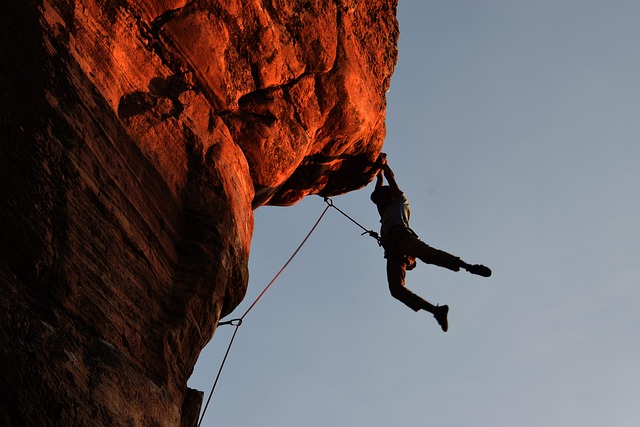

Cliff climbing is a demanding sport that pushes both the body and the mind to their limits. Whether you are ascending a granite face, scaling a vertical ice wall, or tackling a mixed route, the physical toll is considerable. For athletes who want to maintain strength, endurance, and mental sharpness, nutrition is not an afterthought—it is the foundation of performance. In this article we explore how to structure a diet that supports every phase of a climber’s day: pre‑climb preparation, sustained energy on the wall, and recovery afterward.
Understanding the Energy Demands of Cliff Climbing
Cliff climbing blends anaerobic bursts—such as pulling through a crux—with aerobic stamina required to keep going over long routes. The body relies on a mix of glycogen stores, circulating glucose, and, to a lesser extent, free fatty acids. The average climber uses roughly 300–400 kcal per hour during a strenuous session, with spikes that can reach 700 kcal in a single move. Therefore, fueling strategies must account for both short‑term power and long‑term endurance.
Carbohydrates: The Primary Fuel
Carbohydrates are the preferred energy source during high‑intensity activity. Simple sugars provide immediate glucose, while complex carbs—such as whole grains, legumes, and starchy vegetables—offer a steady release of energy. For climbers, a carbohydrate intake of 6–10 g per kilogram of body weight per day is typical for training and competition, depending on overall volume and intensity.
- Pre‑climb breakfast: oatmeal topped with fruit and a handful of nuts delivers both complex carbs and a small protein dose.
- During a session: a banana or a small energy gel can bridge the gap between moves.
- Post‑climb recovery: a carbohydrate‑rich smoothie with protein powder helps replenish glycogen stores.
Protein: Repair and Growth
Protein is essential for repairing micro‑tears in muscle fibers that result from dynamic pulls and sustained holds. Consuming 1.2–1.8 g of protein per kilogram of body weight each day supports muscle protein synthesis. After a climbing session, aim for 20–25 g of high‑quality protein—such as eggs, lean poultry, dairy, or plant‑based options like tofu and tempeh—to maximize recovery.
Fats: The Endurance Ally
While not the first choice during a hard climb, fats become increasingly important as glycogen stores deplete. Healthy fats—avocado, olive oil, fatty fish, seeds, and nuts—provide a dense, long‑lasting energy source that can sustain climbers on multi‑hour routes or in cold weather when metabolism rises. Incorporating 20–35% of total caloric intake from fats ensures that the body can switch to fat oxidation when carbohydrate reserves are low.
Meal Timing and Planning
Strategic timing can make the difference between a strong ascent and a fatigue‑laden descent. Below is a recommended daily rhythm for a climber engaged in moderate training.
- Breakfast (7 am): a balanced plate of complex carbs, protein, and healthy fats to prime the nervous system.
- Mid‑morning snack (10 am): a yogurt parfait or a protein shake for sustained energy.
- Pre‑climb meal (1 pm): 45–60 minutes before hitting the wall, consume a light carbohydrate source with minimal fiber to avoid gastrointestinal discomfort.
- During the climb: hydrate with water and, if necessary, a low‑sugar electrolyte drink every 15–20 minutes.
- Post‑climb meal (3 pm): a protein‑rich entrée with vegetables and a moderate carb source to jump‑start recovery.
- Dinner (7 pm): a well‑balanced meal that includes lean protein, complex carbs, and plenty of vegetables to support overnight repair.
- Evening snack (9 pm): a small portion of protein—cottage cheese or a protein smoothie—to support muscle synthesis during sleep.
Hydration Strategies
Water loss during a climb can be significant—especially in hot or humid conditions. Dehydration leads to a drop in blood volume, reducing oxygen delivery to muscles and impairing cognitive function. A general rule for climbers is to consume 500 ml of water 2 hours before a session, followed by 200–300 ml every 20 minutes while on the wall. Adding electrolytes (sodium, potassium, magnesium) to drinking water helps maintain fluid balance and prevents cramps.
Micronutrients and Supplements
Beyond macronutrients, micronutrients play subtle but crucial roles in muscle contraction, nerve signaling, and energy metabolism. Key players for climbers include:
- Iron: supports oxygen transport. Women climbers should monitor ferritin levels.
- Calcium & Vitamin D: maintain bone density, essential for preventing fractures on a wall.
- Magnesium: regulates muscle contractions and prevents cramps.
- B‑vitamins: involved in energy production from carbohydrates, fats, and proteins.
In some cases, a multivitamin or targeted supplements can fill gaps, but whole‑food sources are always preferable. Athletes should consider periodic blood work to adjust nutrient intake.
“Cliff climbing is as much about mental focus as it is about muscular power. Proper nutrition fuels both.” — Anonymous
Lifestyle Integration: Sleep, Stress, and Consistency
Nutrition is part of a holistic approach that includes sleep, stress management, and training consistency. Quality sleep—7–9 hours per night—allows the body to rebuild muscle tissue and restore glycogen. Chronic stress increases cortisol, which can impair muscle recovery and appetite regulation. Regular climbing sessions combined with strength training, flexibility work, and rest days create a balanced program that reduces injury risk and enhances performance.
Putting It All Together
Here is a quick checklist to guide daily nutrition for climbers:
- Eat balanced meals with carbs, protein, and fats at each major meal.
- Schedule pre‑climb snacks 45–60 minutes before the session.
- Hydrate consistently, adding electrolytes when conditions warrant.
- Include a post‑climb recovery meal within 30 minutes to replenish glycogen.
- Track micronutrient intake through a food diary or app.
- Prioritize sleep and monitor stress levels.
Conclusion
Cliff climbing demands an agile, resilient body—one that must draw energy rapidly, sustain effort over long periods, and recover swiftly between sessions. A thoughtful nutrition strategy that balances carbohydrates for power, protein for repair, and fats for endurance, coupled with meticulous timing, hydration, micronutrient support, and lifestyle habits, lays the groundwork for peak performance. By integrating these principles into daily life, climbers can maintain their strength, avoid fatigue, and keep pushing toward the next vertical challenge.