
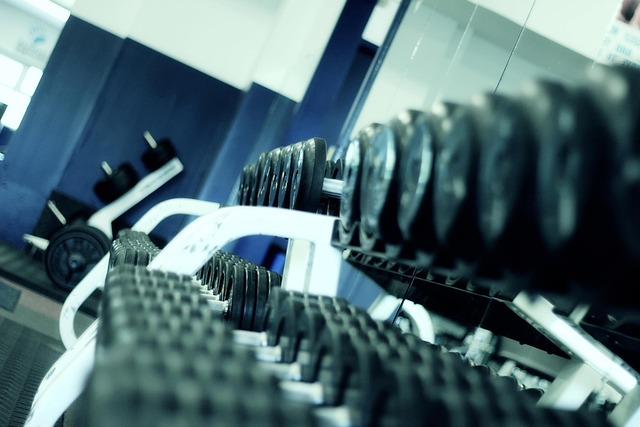

Imagine the rhythmic clank of dumbbells, the subtle scent of chalk, and the quiet confidence that settles over a room filled with focused lifters. Weight training is more than an “exercise” routine—it is a lifestyle choice that seeps into every corner of your day. Whether you are a busy professional squeezing in 30-minute sessions at dawn or an aspiring athlete chasing personal records, the barbell has a unique way of shaping habits, reshaping priorities, and rewriting self-belief.
Lifestyle: Building Rituals That Stick
Consistency is the heartbeat of weight training. Setting out clothes the night before, prepping a playlist, and logging sets in a notebook or fitness app become small but powerful rituals that anchor your week. Over time you notice other lifestyle shifts: late-night streaming gives way to earlier bedtimes, caffeine becomes a strategic pre-workout tool instead of an all-day crutch, and weekend brunch plans often revolve around who has the most protein-heavy menu. Your social circle subtly transforms, too—you start exchanging lifting techniques with gym acquaintances, celebrating each other’s milestones, and perhaps even scheduling friend dates around shared deadlift sessions.
Health: Strength Beyond Muscles
The obvious perk is stronger, leaner muscle mass, but a closer look reveals deeper health dividends. One study after another confirms that weight training improves insulin sensitivity, promotes bone mineral density, and supports joint stability—critical defenses against the creeping risks of osteoporosis and metabolic disorders. There’s also the underrated boon of posture: regular rows and face pulls counterbalance desk-bound shoulders, while core work bolsters spinal alignment, often easing stubborn lower-back aches.
Mental health gains can be equally striking. The structured progression of adding 2.5 kg plates or achieving those first pull-ups cultivates a growth mindset. Each rep serves as a tangible reminder that effort translates to progress, a feedback loop that lifts mood and blunts stress. Many lifters report sharper mental focus at work and improved resilience when life throws curveballs.
Nutrition: Fueling the Iron Journey
An effective weight training program is only as good as the nutrition plan behind it. Think of food as information for your body: protein signals muscle repair, carbohydrates restore glycogen, and fats moderate hormones. For most lifters, a baseline of 1.6-2.2 g of protein per kilogram of body weight, split across four or five meals, keeps muscle protein synthesis humming. If hitting that target with whole foods feels daunting, a single scoop of whey or a plant-based protein shake bridges the gap without blowing the daily calorie budget.
Carbs often get demonized, but they are your primary training fuel. Prioritize complex sources—oats, quinoa, sweet potatoes—around your sessions, then taper in the evening if overall calories need tightening. Healthy fats, meanwhile, can’t be ignored; omega-3-rich salmon, flax, or walnuts support joint health and fight inflammation that might creep in after heavy squat days. Micronutrients matter, too: magnesium for muscle relaxation, vitamin D for bone health, and zinc for recovery. Building plates bursting with color—leafy greens, berries, bell peppers—ensures a steady influx of antioxidants that keep oxidative stress at bay.
Integrating Lifestyle, Health, and Nutrition
When these three pillars align, weight training evolves from a 60-minute gym slot into a holistic framework for thriving. The discipline learned under the barbell spills into meal prep on Sunday evenings and mindful bedtime routines. Health markers—resting heart rate, blood panels, mood logs—become exciting dashboards rather than intimidating doctor-visit surprises. And the community aspect, from spotting a stranger’s bench press to sharing recipes in group chats, reinforces accountability.
Ultimately, whether you are chasing aesthetic goals, longevity, or the pure joy of seeing another plate slide onto the bar, the interplay of lifestyle habits, health awareness, and dialed-in nutrition turns each training session into an investment in a stronger, more vibrant you.