
In the modern world, we often focus on calories, protein, and vitamins, yet one of the most critical yet overlooked components of our health is the complex community of microorganisms living in our gut. This community, commonly referred to as the intestinal flora, plays a pivotal role in digestion, immunity, and even mental well‑being. Understanding how to nurture this delicate ecosystem can lead to improved energy levels, better digestion, and a stronger overall defense against disease.
The Intestinal Flora: A Dynamic Ecosystem
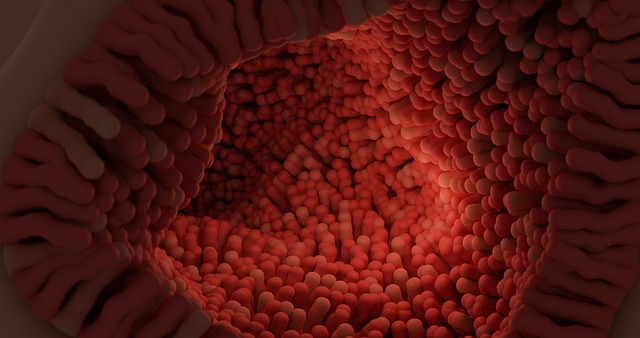
Our intestines are home to trillions of bacteria, viruses, fungi, and other microorganisms. The two main phyla that dominate the gut microbiome are Firmicutes and Bacteroidetes, though many other species contribute to the diversity that keeps the system resilient. A balanced flora ferments dietary fibers, produces short‑chain fatty acids, and competes with harmful pathogens for resources. When this balance is disturbed—a state known as dysbiosis—common symptoms include bloating, constipation, diarrhea, and even mood swings.
Key Functions of a Healthy Intestinal Flora
- Digestion of complex carbohydrates and fibers that we cannot break down on our own.
- Synthesis of essential vitamins such as vitamin K and certain B‑vitamins.
- Regulation of the immune system by training immune cells to differentiate between friend and foe.
- Barrier protection that prevents pathogenic bacteria from entering the bloodstream.
“The gut is the first line of defense, and the flora is the body’s frontline soldiers.”
What Disrupts Intestinal Flora?
While our gut is resilient, several modern habits can upset its equilibrium. Antibiotics, for example, are designed to kill bacteria but often kill beneficial strains along with the bad ones. A diet high in processed foods, sugar, and saturated fats can also favor the growth of less desirable bacteria. Chronic stress, lack of sleep, and exposure to pollutants further stress the microbiome, making it less diverse and less adaptable.
Identifying the Symptoms of an Unhealthy Flora
- Persistent bloating or gas after meals.
- Irregular bowel movements—either constipation or loose stools.
- Fatigue or difficulty concentrating.
- Unexplained skin issues such as eczema or acne.
These signs are often subtle, but they can be early warning signs that your intestinal flora needs a boost.
Daily Lifestyle Tips for a Thriving Intestinal Flora
While there’s no one‑size‑fits‑all recipe, integrating several simple habits into your daily routine can create a nurturing environment for beneficial bacteria.
1. Prioritize Fiber‑Rich Foods
Dietary fiber acts as the primary food source for many good bacteria. Whole grains, legumes, fruits, and vegetables provide soluble and insoluble fibers that feed diverse bacterial species. Aim for at least 25–30 grams of fiber per day to support a varied and robust microbiome.
2. Include Fermented Foods Regularly
Fermented foods such as yogurt, kefir, kimchi, sauerkraut, and miso introduce live cultures into the gut. These foods not only contribute beneficial bacteria directly but also stimulate the production of short‑chain fatty acids, which in turn nourish other microbes and strengthen the gut lining.
3. Drink Adequate Water
Hydration supports the mucosal lining of the intestines and helps keep waste moving smoothly through the digestive tract. A well‑hydrated gut environment is less hospitable to pathogenic bacteria, allowing friendly microbes to thrive.
4. Manage Stress Through Mindful Practices
Chronic stress releases cortisol, which can increase gut permeability and alter bacterial composition. Techniques such as meditation, yoga, or even short walks can lower stress levels and create a calmer environment for intestinal flora.
5. Sleep Well, Every Night
Sleep deprivation disrupts the natural circadian rhythm of the gut, affecting the abundance of key bacterial species. Aim for seven to nine hours of quality sleep to support microbiome stability.
6. Limit Antibiotic Use and Talk to Your Doctor
When antibiotics are medically necessary, consider probiotic supplements or fermented foods afterward to help restore balance. Discuss with a healthcare provider the possibility of a tailored probiotic plan that fits your individual gut profile.
7. Exercise Moderately and Consistently
Physical activity increases the diversity of gut bacteria, particularly strains associated with improved metabolic health. Aim for at least 150 minutes of moderate activity per week, such as brisk walking or cycling.
8. Avoid Unnecessary Food Additives
Artificial sweeteners, preservatives, and emulsifiers can disrupt the microbiome by promoting the growth of harmful bacteria. Opt for whole, minimally processed foods whenever possible.
Monitoring Your Progress
While many changes in intestinal flora are subtle and invisible, you can track your progress by noting improvements in digestion, energy levels, and mood. Some people choose to take microbiome tests to see the specific shifts in bacterial populations; however, these tests are not always necessary for daily health decisions.
When to Seek Professional Guidance
If you experience persistent digestive symptoms, unexplained weight loss, or frequent infections, it’s wise to consult a gastroenterologist or a dietitian with expertise in gut health. They can offer personalized interventions, such as elimination diets or targeted probiotic strains.
Conclusion: Small Shifts, Big Gains
Intestinal flora is a cornerstone of overall health, influencing everything from nutrient absorption to immune resilience. By adopting a few mindful lifestyle habits—eating fiber‑rich foods, incorporating fermented options, staying hydrated, managing stress, and ensuring quality sleep—you create a hospitable environment for beneficial microbes. Over time, these small shifts accumulate, leading to a clearer digestion, more vibrant skin, steadier moods, and a stronger immune system. Remember, the gut is a dynamic ecosystem that responds to our daily choices; treating it with care means investing in lasting health.