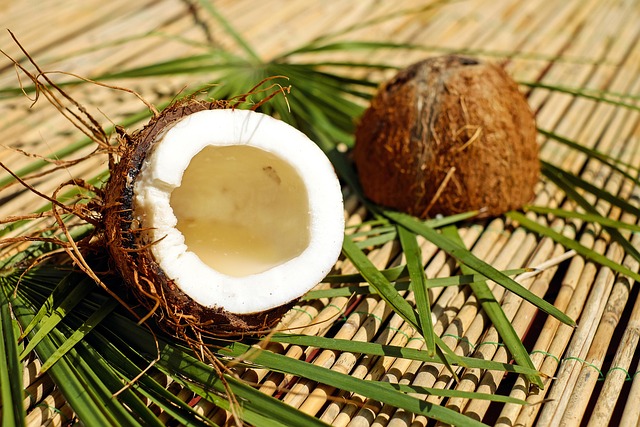

The humble coconut, often celebrated for its tropical allure, is more than a refreshing snack or a fragrant garnish. Across cultures, it has long been regarded as a versatile food that supports daily living, bolsters overall wellness, and enriches culinary practices. From the bustling markets of Southeast Asia to the health‑conscious kitchens of modern households, coconut has found its place at the center of a balanced lifestyle. This article explores how coconut can be woven into everyday routines, its nutritional profile, and the science behind its health‑enhancing properties.
Nutrition at a Glance: What Coconut Offers
Unlike many other plant foods, coconut delivers a distinct blend of fats, fibers, and micronutrients that collectively contribute to vitality. A typical serving—about one cup of shredded coconut flesh—provides roughly 280 calories, with 24 grams of fat, 5 grams of protein, and 3 grams of fiber. The fats are predominantly medium‑chain triglycerides (MCTs), which are metabolized differently from long‑chain fats found in many oils. MCTs travel directly to the liver, where they are quickly converted into energy, a feature that makes coconut appealing for those seeking a natural energy boost.
- Healthy Fats: Medium‑chain fatty acids support metabolic flexibility.
- Mineral Rich: Coconut contains potassium, magnesium, iron, and zinc.
- Fiber Content: Soluble fiber aids digestion and satiety.
- Antioxidants: Phytosterols and polyphenols help combat oxidative stress.
Medium‑Chain Triglycerides: The Energy Edge
Research indicates that MCTs have a higher thermogenic effect compared to their long‑chain counterparts. This means the body expends more calories to process them, potentially aiding weight management. Studies on athletes and endurance participants suggest that MCT supplementation can improve exercise performance by providing a rapid, clean source of fuel.
“Medium‑chain fatty acids are absorbed directly into the portal vein and transported to the liver, where they can be immediately used for energy or turned into ketone bodies,” explains a nutrition scientist familiar with lipid metabolism.
Incorporating Coconut into Everyday Life
Many people underestimate the practicality of coconut in daily meals. Below are creative yet straightforward ways to add coconut to your routine without compromising taste or nutritional balance.
Breakfast Boosts
- Oatmeal Topping: Sprinkle toasted coconut flakes over warm oats, add a drizzle of honey, and a handful of berries for a balanced start.
- Coconut‑Infused Smoothies: Blend coconut milk, banana, spinach, and a spoonful of shredded coconut for a creamy texture and natural sweetness.
- Yogurt Parfait: Layer Greek yogurt, coconut yogurt, and chopped coconut, then finish with a few nuts.
Midday and Evening Meals
- Curries and Soups: Coconut milk or coconut cream can replace dairy cream, delivering a rich, silky base that pairs well with spices.
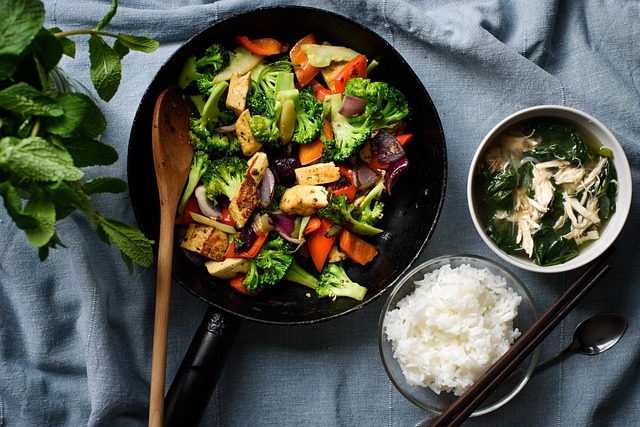
- Stir‑Fries: Add fresh shredded coconut or coconut oil to stir‑fries for a subtle nutty flavor and a splash of healthy fats.
- Roasted Vegetables: Toss vegetables in coconut oil and roasted with sea salt; the oil’s mild flavor complements caramelized veggies.
Snack Ideas That Satisfy
If you’re looking for a quick, portable snack that keeps you full between meals, consider these coconut‑rich options:
- Roasted coconut chips with a pinch of sea salt.
- Trail mix of dried coconut flakes, almonds, and dark chocolate chips.
- Homemade coconut yogurt topped with fresh fruit.
Beyond the Plate: Coconut’s Role in Lifestyle Wellness
Adopting coconut into your diet is a holistic decision that can influence more than just your gut. Its versatile benefits extend to skin, hair, mental clarity, and even hormonal balance.
- Skin Care: Coconut oil’s moisturizing properties help maintain barrier function, reducing dryness and flakiness.
- Hair Strength: Regular application of coconut oil or coconut‑based shampoos can improve hair elasticity and reduce breakage.
- Cognitive Support: The ketone bodies produced from coconut MCTs may provide a secondary energy source for the brain, potentially enhancing focus.
- Gut Health: The fiber in coconut supports the growth of beneficial gut bacteria, which in turn contribute to overall well‑being.
Mindful Consumption: Balancing Caloric Intake
While coconut is nutrient‑dense, its high fat content can add up quickly. Practicing mindful portion control—such as using a measuring cup for a single tablespoon of coconut oil or limiting shredded coconut to a quarter cup—ensures you enjoy its benefits without compromising calorie goals.
Addressing Common Myths
Like many foods, coconut has been subject to misconceptions. Clarifying these myths can help consumers make informed choices.
Myth 1: Coconut is purely a “fat” food.
While it is rich in fats, these are mostly medium‑chain, which differ significantly from saturated fats that raise cholesterol levels. In fact, coconut’s MCT profile can support metabolic health when consumed in moderation.
Myth 2: Coconut milk is too processed.
Choosing unsweetened, additive‑free coconut milk—available in most grocery stores—offers a clean, nutrient‑rich alternative to dairy. The only additives typically found are preservatives or stabilizers, which can be easily avoided by selecting fresh or homemade versions.
Myth 3: Coconut products are too expensive.
Bulk purchasing coconut oil or using coconut husk leftovers for shredded coconut can reduce costs. Additionally, the longevity of coconut products (they have a long shelf life) can make them a budget‑friendly staple over time.
Practical Tips for Sustainable Coconut Use
Embracing coconut doesn’t have to mean an endless supply of imported tropical products. Below are sustainable and eco‑friendly ways to incorporate coconut into your life.
- Shop local farmers markets for fresh coconut when possible.
- Opt for organic or fair‑trade certified coconut products to support responsible cultivation.
- Use coconut shells and husks for natural kitchen décor or craft projects.
- Re-purpose coconut water as a natural electrolyte drink in place of high‑sugar sports drinks.
Closing Thought
From a simple palm tree in a tropical grove to the countertop of a bustling kitchen, coconut has evolved into a symbol of healthful living. Its balanced composition of fats, fibers, and micronutrients, coupled with its culinary adaptability, makes it an ideal partner for those seeking to elevate lifestyle, health, and nutrition. By integrating coconut thoughtfully and sustainably, you can enjoy its natural benefits while contributing to a more balanced, vibrant daily routine.