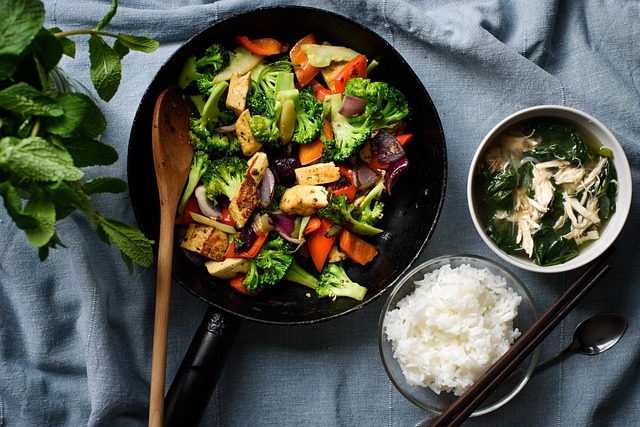


In recent years, the idea of turning the kitchen into a laboratory for personal wellness has gained traction. Rather than merely cooking, we are now engaging in kitchen experiments—purposeful trials that allow us to test how different ingredients, cooking methods, and portion sizes affect our bodies. This approach shifts the focus from routine meals to intentional, evidence‑based nutrition practices. By treating each dish as a hypothesis, we can observe how our energy levels, digestion, and mood respond, creating a feedback loop that refines our eating habits.
The Scientific Foundations of Kitchen Experiments
At its core, a kitchen experiment follows the same principles that guide laboratory research: observation, hypothesis, testing, and conclusion. In the culinary context, the observer is the cook or the home‑based scientist. The hypothesis might be that replacing refined carbohydrates with whole grains will improve satiety. The test involves preparing two similar dishes—one with white rice, one with quinoa—and monitoring hunger cues, blood sugar spikes, and overall satisfaction. Finally, the conclusion is drawn from the data collected, whether it be subjective reports or objective measures like glucose readings.
- Observation: Noticing how a particular food makes you feel.
- Hypothesis: Making a clear, testable statement about the food’s impact.
- Experimentation: Preparing controlled meals and keeping variables constant.
- Analysis: Recording outcomes and assessing patterns.
- Adjustment: Tweaking recipes or portions based on findings.
Choosing the Right Variables
When planning a kitchen experiment, selecting variables that matter is essential. Variables can be ingredients (e.g., swapping butter for avocado), cooking techniques (baking versus frying), or even meal timing (eating early versus late). Each variable can influence nutrient absorption, thermic effect, and hormonal responses. For example, incorporating a small amount of healthy fat into a protein‑rich dish can slow gastric emptying, leading to a steadier release of energy and reduced insulin spikes.
“Every ingredient is a data point,” says nutritionist Dr. Lena Patel, who has pioneered at‑home nutritional trials for athletes and busy professionals alike.
Designing a Beginner’s Kitchen Experiment
Starting with a simple experiment allows you to build confidence. One common beginner’s trial is assessing how much fiber truly satisfies you. Prepare two identical smoothies: one enriched with a tablespoon of ground flaxseed, the other with no added fiber. Drink them at the same time of day, record your hunger on a scale of 1‑10 after 30 minutes, and note any digestive sensations. Over a week, track these scores and look for trends. You’ll learn whether fiber’s satiety claim holds true for you personally.
Tools and Record Keeping
Accurate record keeping is vital. Use a simple notebook or a digital app to log meal details: ingredients, quantities, cooking method, time of consumption, and how you felt afterward. Adding a brief note about mood or energy can provide valuable context. Over time, patterns will emerge that guide your next experiment, such as identifying the ideal portion size that balances fullness without excess.
- Write down every meal and snack.
- Rate hunger and satiety on a consistent scale.
- Note mood, energy, and digestive comfort.
- Review weekly to spot correlations.
- Adjust future recipes based on insights.
Case Study: The Mediterranean Swap
Consider a kitchen experiment that mirrors the Mediterranean diet—a model linked to longevity and cardiovascular health. Replace a standard dinner of pasta with a quinoa‑based bowl, add olive oil, tomatoes, chickpeas, and a handful of spinach. Track your cholesterol readings, blood pressure, and overall satisfaction over a month. Many participants report improved heart health markers and a sense of culinary adventure, proving that mindful ingredient choices can produce tangible health benefits.
Expanding the Scope: Mindful Cooking Practices
Beyond ingredient swaps, kitchen experiments can explore cooking rituals that influence psychological well-being. For instance, cooking with aromatherapy (lavender or lemon zest) or listening to music while chopping may reduce stress levels, which in turn affect digestion. A simple experiment could involve cooking the same dish twice—once with ambient music and once in silence—and measuring perceived stress using a self‑rating after each session. Results often show a noticeable drop in stress when cooking becomes a mindful practice.
Integrating Technology for Precise Insights
Modern kitchen experiments can benefit from wearable devices that track heart rate variability, sleep quality, and even blood glucose. By syncing these metrics with meal logs, you can correlate specific foods with physiological responses. For example, if a high‑sugar breakfast consistently raises post‑meal glucose levels, you can experiment with lower‑glycemic alternatives like Greek yogurt with berries.
Common Pitfalls and How to Avoid Them
Kitchen experiments are powerful but not without challenges. Two frequent pitfalls include over‑analysis and neglecting baseline variability. Over‑analysis can turn a simple trial into a stressful experiment, while ignoring the natural fluctuations in appetite and mood can lead to false conclusions. To mitigate these issues:
- Keep the experimental design straightforward.
- Use control conditions whenever possible.
- Allow sufficient time for adaptation before measuring outcomes.
- Consult a professional if you plan significant dietary changes.
Closing Thoughts: A Lifestyle Shift
Embracing kitchen experiments transforms the everyday act of cooking into a proactive tool for health optimization. By systematically testing what we eat, we gain clarity about our body’s preferences and needs. Over time, these experiments cultivate a deeper respect for food, encourage creativity, and foster a lifestyle where nutrition is not just nourishment but a dynamic, evidence‑based practice. The journey begins with a single spoonful—an experiment that may one day become a cornerstone of your healthy living.