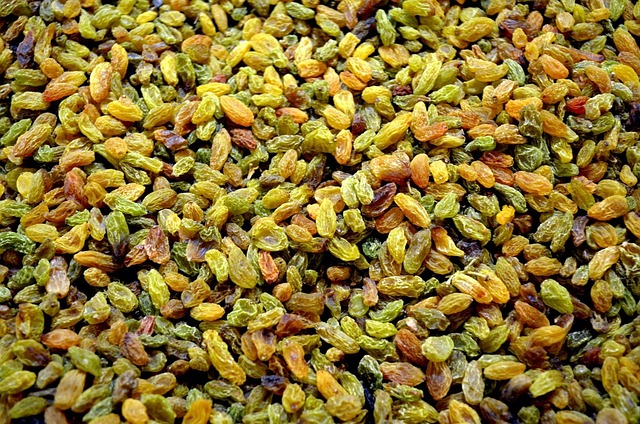


In a world where the word “fruit” often conjures images of bright, juicy slices or a handful of snacks, the idea of a “happy fruit” takes the conversation a step further. It invites us to think of fruit not just as a sweet treat, but as a catalyst for joy, vitality, and a well‑balanced lifestyle. When we talk about a happy fruit, we’re focusing on the emotional and physical benefits that come from choosing foods that naturally lift our spirits while nourishing our bodies.
Why “Happy Fruit” Matters
Most people know that eating fruit is healthy, but few stop to consider the emotional connection we can build with certain foods. A happy fruit is one that boosts our mood, provides essential nutrients, and feels rewarding to eat. By integrating such fruits into daily meals, we create a self‑reinforcing loop: we feel good, we choose fruit, and we feel good again.
Nutrient Powerhouses That Promote Joy
Happy fruit is rich in vitamins, minerals, antioxidants, and fiber, all of which support brain chemistry and physical wellness. Here’s how key nutrients in fruit help keep us upbeat:
- Vitamin C – Supports the immune system and helps the body produce serotonin, a neurotransmitter linked to happiness.
- Potassium – Balances electrolytes, which is essential for proper nerve function and mood regulation.
- Antioxidants – Combat oxidative stress, reducing inflammation that can negatively affect mood and energy levels.
- Dietary fiber – Promotes gut health, and emerging research shows a direct link between gut microbiota and mental well‑being.
Daily Habit: Treating Your Body with a Happy Fruit
Incorporating a happy fruit into your routine can be simple yet powerful. Below are practical ways to make fruit a staple in a balanced diet.
- Morning boost: Start your day with a small bowl of berries or a sliced banana. The natural sugars provide an instant energy lift without the crash associated with refined carbs.
- Mid‑afternoon pick‑me‑up: Keep a piece of fruit, like an apple or a pear, on your desk. When the slump hits, a bite of fruit can help restore focus and counteract stress.
- Evening relaxation: Pair a sweet fruit, such as grapes or peach slices, with a light protein like Greek yogurt. This combination keeps blood sugar stable, supporting a restful night.
Creative Ways to Serve Happy Fruit
Eating fruit can be an adventure if you mix flavors and textures. Try these ideas to keep your palate excited:
- **Fruit‑filled salads** – Combine spinach, nuts, feta, and segments of citrus fruit. The bright flavors lift the entire dish.
- **Smoothie bowls** – Blend frozen fruit with a splash of almond milk, then top with seeds and coconut flakes for a satisfying crunch.
- **Grilled fruit** – Sauté peaches or pineapple slices for a caramelized finish, ideal for a summer dessert or a savory pairing with grilled chicken.
Seasonal Wisdom: Choosing the Right Happy Fruit
When fruit is in season, it’s at its peak flavor, nutrition, and price point. Pay attention to local calendars or farmers’ markets to pick the freshest produce. A seasonal happy fruit tends to have more vibrant colors and stronger taste, both of which trigger pleasure centers in the brain.
Brain‑Friendly Fruit Choices
Not every fruit is created equal when it comes to mental health. Consider the following options that are especially effective for mood elevation:
- Blueberries – Packed with anthocyanins, they help improve memory and reduce mental fatigue.
- Oranges – High in vitamin C, they can lower cortisol levels, the body’s stress hormone.
- Bananas – Provide tryptophan, an amino acid that the body converts into serotonin.
- Avocado – Although technically a fruit, its healthy fats support brain structure and function.
Balancing the Body and Mind with Happy Fruit
Healthy eating isn’t just about calories. It’s a holistic approach that considers how foods influence our body’s systems. A happy fruit can contribute to a balanced diet by:
- Providing natural sugars that stabilize blood glucose, preventing the highs and lows that affect mood.
- Delivering soluble fiber that supports gut flora, which recent studies suggest can alleviate symptoms of anxiety and depression.
- Offering hydration through high water content, keeping the body cool and reducing feelings of lethargy.
Practical Tips for Sustaining Fruit Intake
Here are actionable steps to make happy fruit a lifelong habit:
- **Plan meals in advance.** Include fruit at every main meal and snack to maintain consistency.
- **Keep fruit accessible.** Store peeled fruit in the refrigerator or a ready‑to‑eat container at work.
- **Use fruit as a natural sweetener.** Replace refined sugar in desserts or baked goods with mashed fruit or purees.
- **Experiment with preservation.** Make homemade fruit preserves or dried fruit snacks for a quick, nutrient‑dense bite.
Conclusion: Embracing the Happy Fruit Lifestyle
Choosing a happy fruit is more than a dietary decision; it’s a commitment to fostering a vibrant, balanced life. By integrating fruits that nourish both body and mind, we create a daily practice that supports energy, mood, and overall health. The next time you reach for a snack, remember that the fruit you choose can be a source of genuine happiness, turning simple nourishment into a joyful experience.